
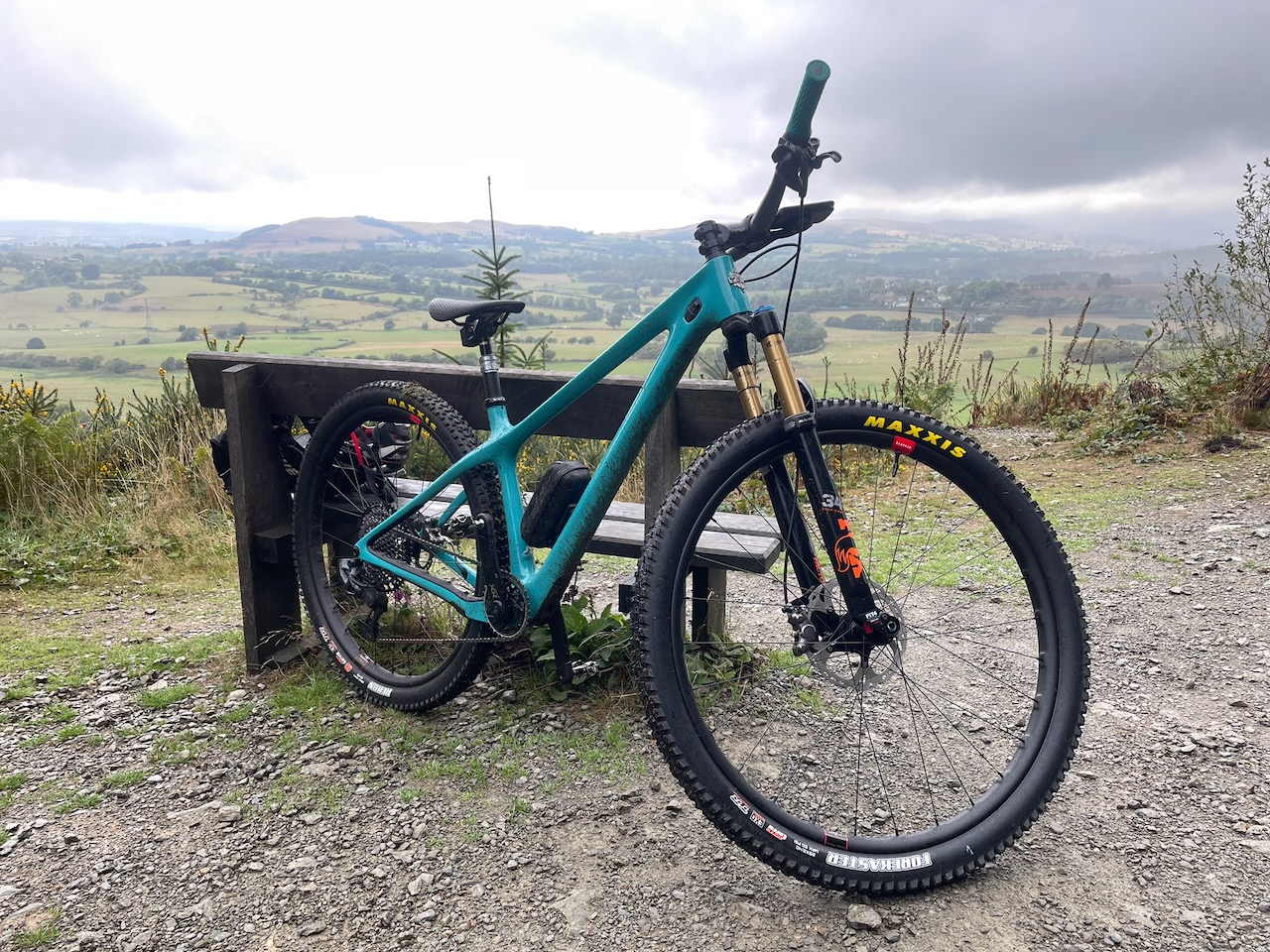
I’ve always hankered after another hardtail. The last time I seriously considered one was around 2014. I test rode a few and liked their simplicity and directness, but I couldn’t see myself living with one. They felt too uncompromising.
Now I’m 64. You might expect me to want more suspension and more comfort, not less. But the bikes have changed since those test rides, and I started to wonder whether my view of hardtails was out of date.
What made me reconsider
Wheels and tyres were a big part of it. The XC rims I remember were often around 21–22 mm wide internally. A 30 mm internal rim now supports a 2.4-inch tyre differently. In the shop, we compared that combination with some 2.6-inch tyres on narrower rims. Their profiles were remarkably similar.
Could the extra volume, better-supported casing and lower pressure give me enough comfort without rear suspension? I was also curious about what the Yeti ARC’s carbon frame might contribute. Add modern geometry, a 120 mm fork and a dropper post, and this wasn’t really the hardtail I remembered.
That was the question behind the build. I didn’t know the answer yet.
Building the bike to test it
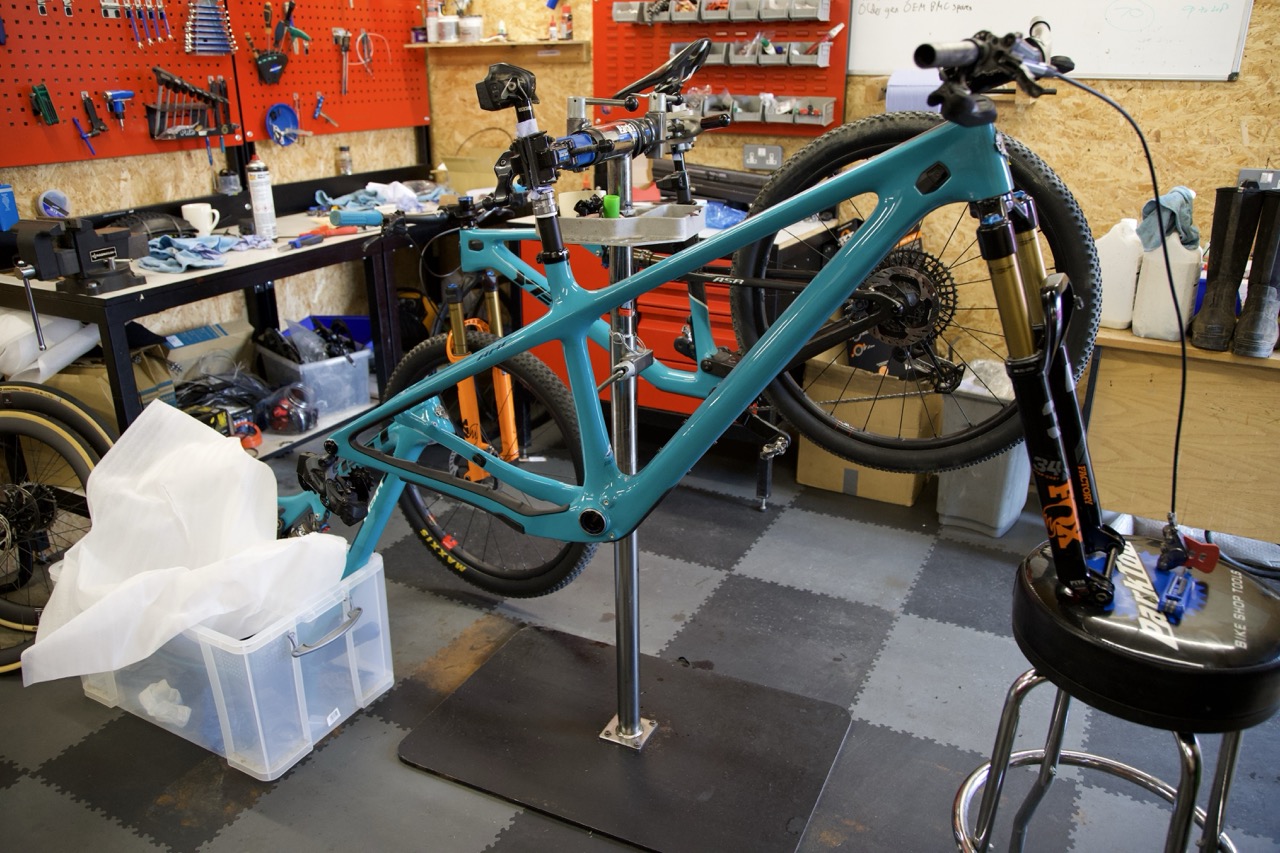
We started with a new ARC frame and protected it with Invisiframe. Then we looked at what could come across from my 2015 Yeti ASR. Some of its key components had been upgraded in 2021, so this wasn’t simply a case of putting eleven-year-old parts onto a new frame.
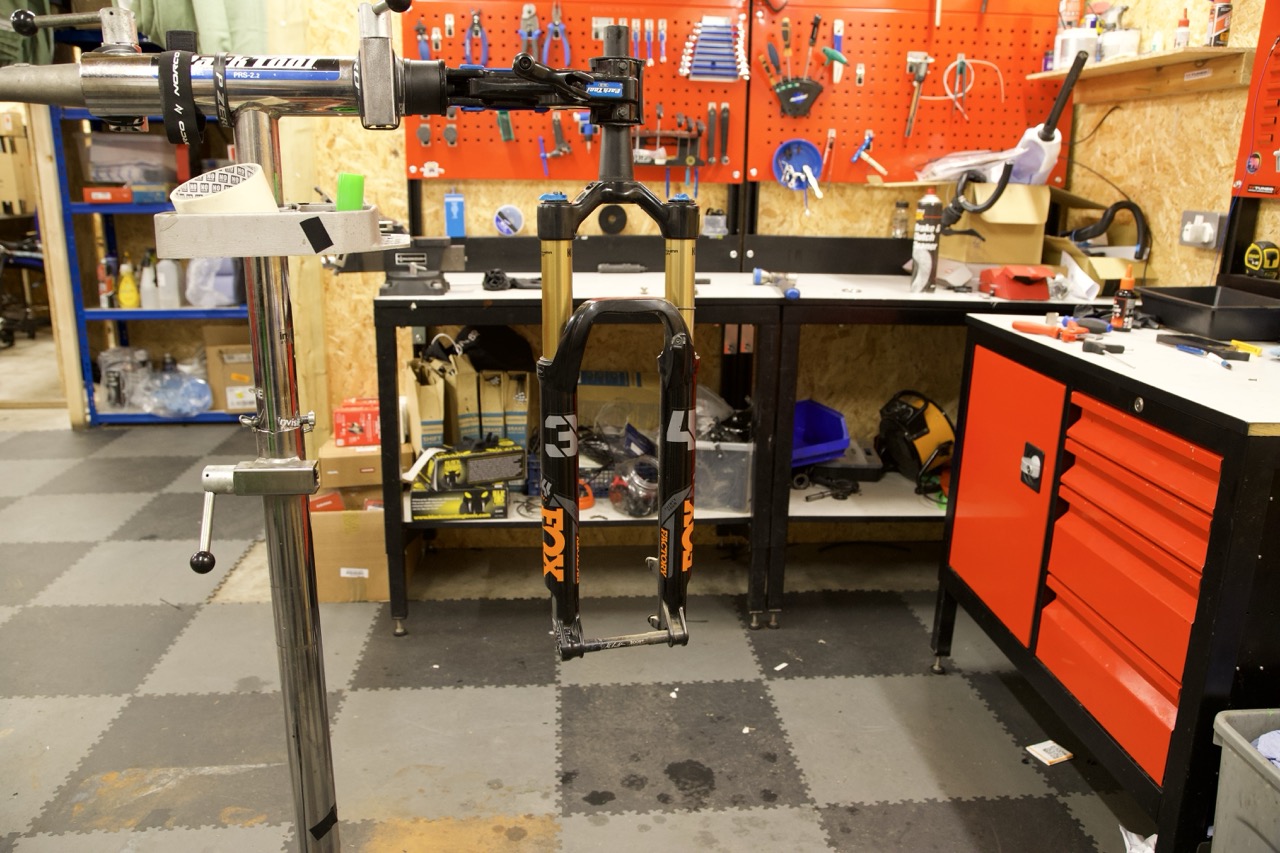
The Fox Step-Cast fork was worth keeping, but it needed a proper service. We stripped it, cleaned the grime from around the wipers, replaced the wipers and seals, and reassembled it with the correct oil and torque. The XTR brakes were bled; the XX1 rear mech and shifter, Reverb dropper, Thomson stem and Race Face Next bars could also be reused. A shim let the dropper fit the ARC’s seat tube.
The ARC needed a different headset, so I chose a new Chris King. The one on the ASR was still working after about eleven years; I’d have reused it if it had fitted. The ARC also received a new bottom bracket and a crankset with a single-sided power meter. That will let me compare rides later rather than rely only on feel.
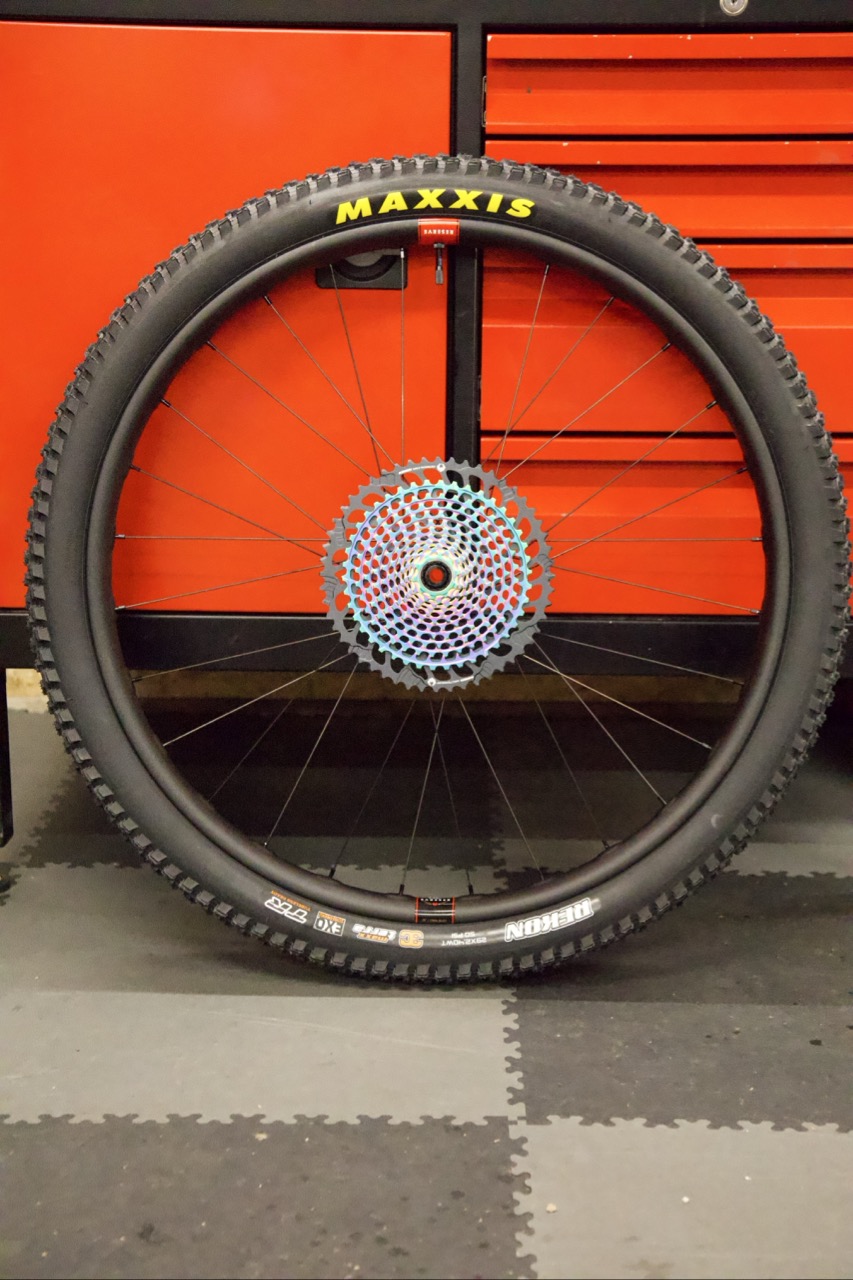
The wheels were where I deliberately wanted something new: Reserve 30XC carbon wheels with 30 mm internal rims. I fitted 2.4-inch Maxxis tyres, a Forekaster at the front and Rekon at the rear. I also put a Vittoria Air-Liner in the rear wheel. I’ve had enough punctures at Llandegla to know why that protection might matter on a bike without rear suspension.
The result is a mixture of new and reused parts, but each choice has a reason. I kept what was still good, serviced what needed attention, and spent money where I thought newer equipment might change the experience.
I haven’t suddenly become more tolerant of being beaten up by a bike. I built the hardtail I thought might let me enjoy its simplicity and directness without the compromises I remembered.
Now I had to ride it.